
Published: 28 January 2026
Modern land development, infrastructure, and remediation projects rely on two distinct but connected streams of information: engineering-focused ground data and environmental condition data. While both come from the same physical site, they serve very different decision-making purposes.
Engineering datasets focus on whether land can safely support structures, roads, foundations, and earthworks. Environmental datasets focus on whether land, water, and air are safe for people, ecosystems, and regulatory compliance. Historically, these disciplines operated in silos, but today's projects increasingly require them to work as a single, integrated information system.
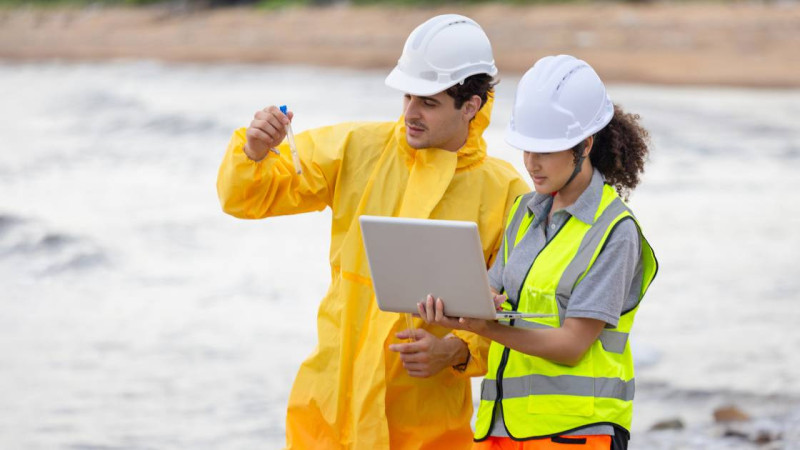
This convergence is driving demand for modern environmental data management systems that can unify field observations, laboratory results, compliance reporting, and long-term monitoring in one structured digital environment.
Why this distinction matters for modern projects
Large projects no longer succeed on structural safety alone. Regulatory approvals, ESG reporting, contamination liability, and sustainability obligations now carry equal weight. As a result:
-
Engineers need an environmental context to make informed design decisions
-
Environmental teams need subsurface and groundwater data to model risk pathways
-
Compliance teams need traceable, auditable data flows
-
Managers need integrated reporting instead of fragmented spreadsheets
This shift is accelerating the adoption of modern EDMS alternatives that move beyond traditional siloed data storage and manual reporting workflows.
The digital transformation of ground data management
Legacy systems were designed around isolated datasets, bore logs in one system, lab results in another, compliance reporting in spreadsheets, and long-term monitoring in disconnected databases. This fragmentation creates operational risk, reporting delays, and regulatory exposure.
Todays leading platforms are shifting toward:
-
Browser-based access instead of desktop-only tools
-
No-code configuration instead of custom development
-
Automated lab imports with high reliability
-
Built-in validation and QA/QC
-
Compliance-ready reporting workflows
-
Transparent pricing and scalable deployment
These capabilities are increasingly defining the standard for environmental data workflows in infrastructure, mining, water, energy, and contaminated land sectors.
Where ESdat fits in this transformation
Platforms like ESdat are positioned as a modern alternative to legacy EDMS tools by enabling organisations to:
-
centralise environmental and field data in one system
-
integrate lab, monitoring, and field datasets seamlessly
-
support compliance-ready workflows
-
simplify regulatory reporting
-
connect field data with dashboards, GIS, and analytics
-
eliminate spreadsheet dependency
Rather than replacing engineering tools, systems like ESdat provide the data backbone that connects environmental intelligence, compliance reporting, and operational decision-making across project lifecycles.
Read the full authoritative guide here:
Categories
Data Management
Keywords
environmental monitoring, ESdat, Environmental Data, EDMS, Compliance