
Published: 2 June 2026
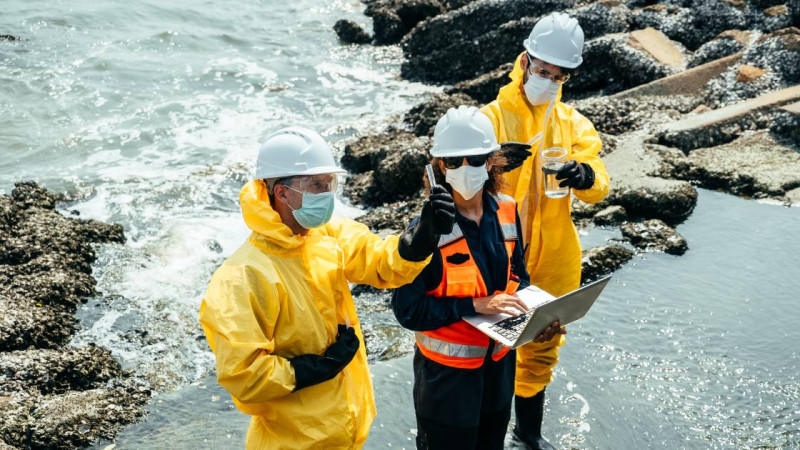
Environmental science has always depended on good fieldwork. But today, good fieldwork is only the beginning.
A single environmental project can now produce soil results, groundwater data, field readings, laboratory reports, logger data, GIS layers, photographs, chain-of-custody records, regulatory standards, and compliance tables. Much of this information arrives in different formats, from spreadsheets and databases to PDFs and emails. If that data is not properly planned, checked, stored, and reported, the science becomes harder to trust.
This is why environmental data management is becoming one of the most important practical skills for environmental scientists.
The issue is bigger than convenience. Gartner has estimated that poor data quality costs organizations at least US$12.9 million per year. IDC has also estimated that by 2025, each connected person would have around 4,900 digital data interactions per day. The message is clear: professionals are not short of data. They are short of clean, reliable, well-organized data they can use with confidence.
AI is adding another layer to this challenge. New tools can help extract information from PDFs, reports, tables, and historical documents. This is promising for environmental work, where valuable data is often locked inside old laboratory reports and consultant PDFs. But AI does not remove the need for human judgment. It makes data skills more important. Scientists still need to understand sample IDs, units, detection limits, QA/QC, regulatory standards, audit trails, and whether extracted data makes sense in the real-world context of a site.
That is the focus of the main article, What Environmental Data Management Skills Do Environmental Scientists Need? It explains the practical skills environmental professionals need to move data from field collection through to defensible reporting.
ESdat makes a similar point in its article, Investing in the Next Generation of Environmental Site Leaders: Why Environmental Data Management Skills Matter for the Whole Industry. The article argues that strong field skills are essential, but that the ability to manage, validate, and report environmental data to a regulatory standard is what allows scientists to add value across the full project lifecycle.
Together, these ideas point to a simple conclusion: environmental data management is no longer a back-office task. It is a career-building, project-risk, and compliance skill. For students, graduates, consultants, regulators, and project managers, learning how environmental data flows from the field to the final report is now part of becoming a more capable environmental professional.
Categories
Data Management
Keywords
Education, Chemical Quality Assurance Reporting, ESdat Data Management