
Published: 31 August 2026
Slope stabilization has become an essential part of tunnel, highway, railway, and other infrastructure projects. By installing rock bolts or self-drilling anchor systems, engineers can improve the stability of slopes and surrounding structures, particularly in complex geological conditions.
However, drilling operations in slope anchoring can be challenging. Depending on the geological conditions, contractors may encounter borehole collapse, difficulty in forming holes, excessive drilling resistance, or drill bit jamming. These problems can significantly reduce drilling efficiency, delay construction, and increase overall project costs.
So, what are the causes of drill bit jamming in slope anchoring? In most cases, drill bit jamming is related to drill bit design, drilling parameters, insufficient torque, and unstable borehole conditions. Understanding these factors can help contractors select the appropriate anchoring products and adopt more effective drilling methods.
1. Causes of Drill Bit Jamming in Slope Anchoring
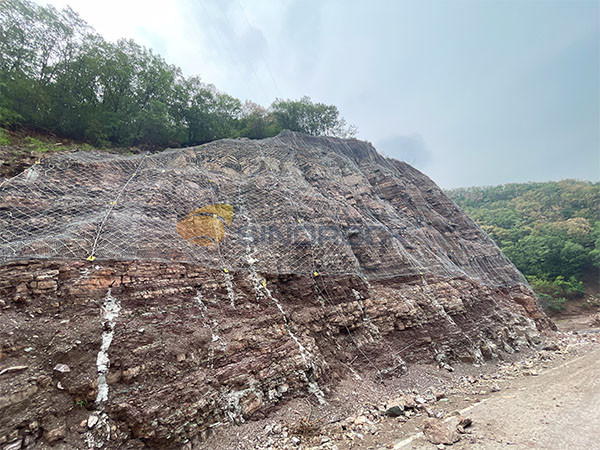
1.1 Improper Drill Bit Design
A typical anchoring system consists of the anchor rod, drill bit, plate, nut, and other components. Among these components, the drill bit plays a particularly important role because it is directly responsible for drilling the hole and removing drilling cuttings.
The geometry, structure, and cutting configuration of the drill bit have a direct impact on drilling performance. If the drill bit is not properly designed for the geological conditions, it may encounter excessive drilling resistance or have difficulty removing rock and soil cuttings.
As drilling continues, poor cutting performance and inefficient flushing can cause cuttings to accumulate around the bit. This increases friction and drilling resistance and may eventually result in drill bit jamming.
Therefore, the drill bit should be selected according to the formation, rock strength, drilling method, and required hole diameter.
1.2 Excessive Drilling Speed
During drilling, rotation or rotary-percussive action causes the drill bit to break and remove soil or rock. The appropriate drilling speed depends heavily on the geological conditions and the drilling equipment being used.
If the drilling speed is too high, the amount of cuttings generated in a short period may exceed the system's ability to remove them. Excessive penetration can also increase axial thrust and drilling resistance.
When cuttings cannot be discharged efficiently, they can accumulate around the drill bit and drilling rod, increasing the risk of blockage and jamming.
For this reason, drilling speed and rotation speed should be adjusted according to the formation rather than simply maximizing penetration speed.
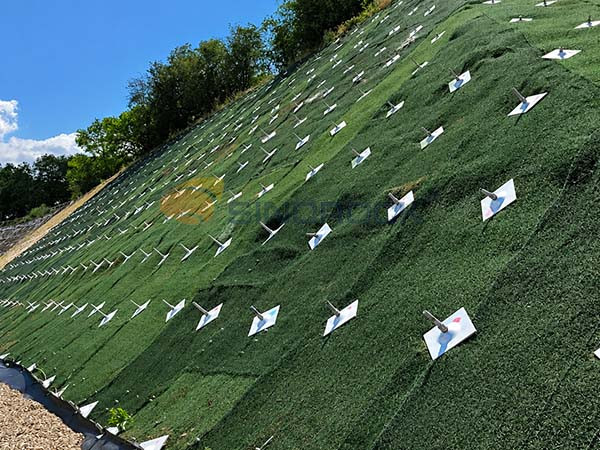
1.3 Insufficient Drill Torque
Insufficient torque is another important cause of drill bit jamming.
During drilling, the resistance acting on the drill bit may exceed the torque that the drilling equipment and drill bit system can effectively deliver. When this happens, the drill bit may slow down or stop while the drilling system continues to apply thrust, increasing the possibility of jamming.
The required torque is affected by several factors, including drill bit diameter, drill bit material, rock strength, drilling depth, and geological conditions.
For example, loose soil and soil containing gravel may require different drill bit configurations from hard rock formations. Larger-diameter bits generally generate greater drilling resistance, while hard and abrasive rock formations may require stronger carbide or alloy drill bits.
The selection of the drill bit and drilling equipment should therefore be based on the actual formation conditions and the required drilling diameter. Matching the available torque with the drilling resistance is essential for stable drilling.
1.4 Borehole Collapse or Shrinkage
Borehole instability is a common problem in loose, fractured, or highly weathered formations.
In formations prone to collapse, conventional casing drilling methods may encounter difficulties when the casing or drilling rod is withdrawn. The surrounding soil or rock may fall into the borehole or the hole may shrink before the anchoring operation is completed.
Fallen rock fragments can accumulate around the drill bit and prevent it from moving forward or being withdrawn, resulting in drill bit jamming.
This problem is particularly common in loose formations, fractured rock, weathered rock, and formations with poor self-supporting capacity.
2. How to Prevent and Solve Drill Bit Jamming
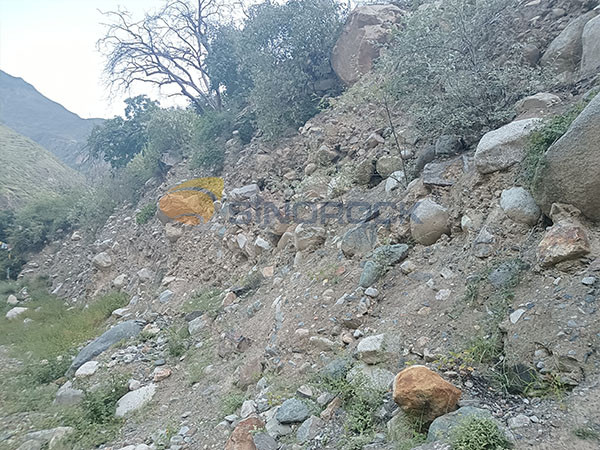
2.1 Control the Drilling Speed
When drilling in formations that are prone to borehole collapse or jamming, controlling the drilling speed is critical.
Instead of using excessive penetration force, operators should adopt a slower drilling rate combined with appropriate rotation. In some formations, repeated drilling and reaming may be necessary to keep the borehole open and remove accumulated cuttings.
Avoiding excessive disturbance to the surrounding formation can help reduce borehole collapse and shrinkage, thereby lowering the risk of drill bit jamming.
2.2 Match the Anchor Rod Stiffness to the Formation
In soft rock, soil-rock mixtures, and other complex formations, the stiffness of the anchor rod should also be considered.
If the anchor rod does not have sufficient stiffness, excessive drilling thrust or movement of the drilling rig may cause the drilling system to deviate from the designed hole direction. Once the rod reaches a certain depth, this deviation can increase contact with the borehole wall and eventually lead to jamming.
The appropriate anchor rod type should therefore be selected according to the formation and drilling requirements. At the same time, operators should control rotary and percussive forces to maintain a stable drilling direction.
2.3 Ensure Effective Cuttings Removal
Efficient removal of drilling cuttings is essential for preventing drill bit jamming.
Soft rock formations and formations with high water content can create particularly challenging flushing conditions. Depending on the geological environment and drilling method, water flushing or air flushing can be used to remove cuttings from the borehole.
If rock fragments and soil particles accumulate around the drill bit, drilling resistance will gradually increase. In severe cases, the accumulated cuttings can block the drilling path and cause the drill bit to become stuck.
Therefore, the flushing system should be properly selected and maintained throughout the drilling operation.
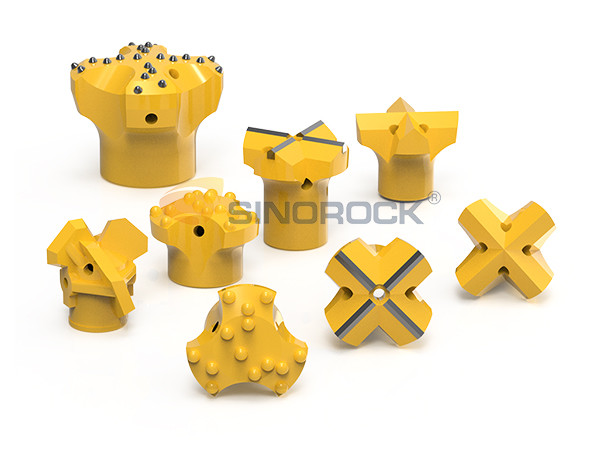
2.4 Select a Drill Bit with the Appropriate Strength and Structure
Drill bits are available in different materials and structural configurations. Common options include all-steel drill bits and carbide/alloy drill bits, while different head configurations can be selected according to the formation and drilling requirements.
For relatively soft soil and weak formations, an all-steel drill bit may be suitable. For harder rock formations, carbide or alloy drill bits can provide better wear resistance and drilling performance.
Rock strength, often evaluated using parameters such as Unconfined Compressive Strength (UCS), can be used as one of the references when selecting the appropriate drill bit type.
The key is to match the drill bit's material, structure, diameter, and strength with the geological conditions rather than using the same bit for every formation.
3. Conclusion
Drill bit jamming in slope anchoring is usually not caused by a single factor. Improper drill bit design, excessive drilling speed, insufficient torque, poor cuttings removal, and borehole collapse or shrinkage can all contribute to the problem.
To reduce the risk of jamming, contractors should take a comprehensive approach:
-
Select drill bits according to geological conditions and rock strength.
-
Match drill bit diameter and drilling equipment torque.
-
Control penetration and rotation speeds according to the formation.
-
Maintain effective air or water flushing for cuttings removal.
-
Select anchor rods with appropriate stiffness and strength.
-
Use suitable drilling methods in unstable or collapsible formations.
In complex slope stabilization projects, proper product selection and optimized drilling procedures should work together. By matching the anchor rod, drill bit, drilling equipment, and construction parameters to the actual geological conditions, contractors can improve drilling efficiency, reduce the risk of drill bit jamming, and achieve more reliable slope anchoring results.
Categories
Slope Stabilization
Keywords
Slope Anchoring, Drill Bit, Drill Bit Jamming